Most first gardens fail in the same boring way. Not slugs, not frost, not bad luck. They fail because the person planting them skipped the least exciting job of all: standing outside for a few days and watching where the sun actually falls. I know, because I did it. I picked the sunniest-looking corner of the garden on a Saturday morning, sowed a neat row of carrots, and spent the next three months wondering why everything grew sideways towards a fence. So this is vegetable gardening for beginners step by step, in the order I wish someone had handed me: six stages, one growing season, no jargon and no guessing.
Step 1: Watch Your Light Before You Dig Anything
What to do: spend two or three days checking your intended patch at roughly 9am, 1pm and 5pm. Note where the shadow lines fall and how they move. Six hours of direct summer sun is the practical minimum for fruiting crops like tomatoes, courgettes and beans. Leafy things such as lettuce, spinach and chard will manage on four.
Why it matters: sunlight is the one input you cannot buy, dig in or water your way around. A bed that gets four hours will grow you salad and herbs happily, but it will never ripen a decent tomato, and no amount of feeding changes that. If your only option is a shaded spot, that is fine. Just plant accordingly instead of fighting it.
While you are out there, look down. Is the ground waterlogged after rain? Does it sit on solid clay, or drain away in an hour? Scoop up a handful of soil and squeeze it. If it holds a tight ball that refuses to break, you have clay. If it crumbles instantly and feels gritty, it is sandy. Neither is a disaster, but both need different treatment later.
Step 2: Choose a Bed Size You Can Actually Maintain
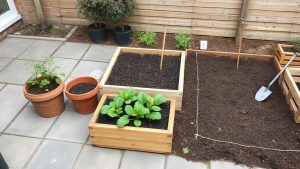
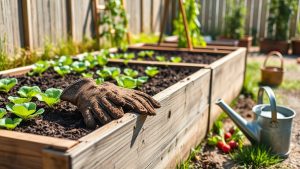
What to do: for a first season, aim for one raised bed around 1.2 metres by 2.4 metres, or the equivalent in containers. Build or buy it, position it on the sunniest ground you found in Step 1, and fill it with a mix of topsoil and compost rather than pure multipurpose compost, which dries out too fast in summer.
Why it matters: beginners almost always go too big. A huge plot in April feels ambitious. By July, when the weeds have won and the watering takes forty minutes a day, it feels like a punishment. One well-kept bed produces more food than three neglected ones, and it teaches you the rhythm of the season without burying you in it.
Raised beds are not compulsory, but they solve two beginner problems at once: they warm up faster in spring, and they let you control the soil instead of inheriting whatever your garden has. If you are renting, or only have a balcony, grow bags and large pots work perfectly well. A tomato in a 30-litre pot will outperform a tomato in poor ground every time.
Step 3: Fix the Soil Before You Plant a Single Seed
What to do: spread a 5cm layer of well-rotted compost or manure over the surface and fork it into the top 20cm, without turning the soil upside down. Remove perennial weed roots as you go, particularly bindweed and couch grass. Then leave it alone for a week or two.
Why it matters: soil is not just dirt holding plants upright. It is a living structure of minerals, air pockets, fungi and bacteria, and vegetables draw almost everything they need from it. Compost feeds that structure. Digging too aggressively destroys it. The old advice to double-dig everything belongs to a different era and a different set of tools.
You do not need a soil testing kit on day one, though they are cheap and genuinely useful if you suspect your ground is very acidic or very alkaline. What you do need is organic matter, and plenty of it. If your soil is heavy clay, compost opens it up. If it is sandy and drains too fast, compost holds water in. It is the closest thing to a universal fix that gardening has.
Step 4: Pick Crops That Forgive Beginners
What to do: choose a small, reliable set for your first year. Courgettes, runner beans, lettuce, radishes, chard and cherry tomatoes are all generous and hard to kill. Leave cauliflower, celery, aubergines and maincrop carrots until you have a season behind you.
Why it matters: some vegetables are divas. Cauliflower sulks if the weather shifts. Celery needs constant moisture. Carrots fork and split if your soil is stony or unevenly watered. None of that is your fault, but all of it is discouraging in year one. The crops above grow fast, show obvious progress, and give you something to eat within weeks rather than months.
Read the seed packets properly. They tell you sowing depth, spacing and roughly when to start, and those numbers matter more than most beginners expect. Radishes sown too thickly will never bulb up. Beans planted too deep will rot before they surface. Follow the packet, then thin the seedlings once they appear, even though it feels brutal to pull out healthy-looking plants. Crowded seedlings compete for water and light, and you end up with many weak plants instead of a few strong ones.
Timing depends on where you are. In most of the UK, tender crops like courgettes and tomatoes go out after the last frost, usually late May, while hardy salad leaves can be sown from early spring. If you are unsure, sow in stages a fortnight apart. That spreads your risk and gives you a continuous harvest rather than one overwhelming glut.
Step 5: Water, Feed and Weed on a Routine, Not a Whim
What to do: water deeply two or three times a week rather than lightly every day, aiming at the soil rather than the leaves. Feed hungry fruiting crops every couple of weeks once flowers appear. Weed for ten minutes each time you visit, before the weeds set seed.
Why it matters: shallow daily watering trains roots to stay near the surface, where they dry out fastest. A deep soak encourages them downwards, which makes the whole plant more resilient. Wetting the foliage, especially in the evening, invites mildew and fungal problems you will then spend weeks trying to undo.
Weeding little and often is the single habit that separates a tidy, productive plot from a jungle. Ten minutes twice a week beats a two-hour rescue mission every month, and it means weeds never get the chance to drop seeds and multiply your problem next year. Mulching around your plants with compost or straw suppresses most of them and slows evaporation at the same time.
Feeding is simpler than the shelves of bottles suggest. Leafy crops want nitrogen, fruiting crops want potassium once they start flowering. A general-purpose organic feed covers most of it. If you want to keep it even simpler, good compost and consistent watering will carry most beginners through a first season without any bottled feed at all.
Step 6: Harvest Often and Start Planning the Next Season
What to do: pick courgettes while they are small, cut lettuce leaf by leaf rather than pulling the whole plant, and harvest beans every few days. Keep a rough note of what worked, what bolted, and what you would skip next time.
Why it matters: vegetables left too long turn woody, bitter or seedy, and on many plants the whole crop shuts down once it has set seed. Regular picking keeps beans and courgettes producing for weeks longer. It also gets you into the habit of visiting the bed daily, which is when you notice problems early, while they are still small.
By late summer, start thinking about what comes next. Garlic and broad beans can go in during autumn. Empty beds can be sown with a green manure to protect the soil over winter. A first season is not really about the harvest, though the harvest is nice. It is about learning your own patch: which corner dries out first, where the slugs gather, how much you actually enjoy spending twenty minutes out there on a Tuesday evening.
Quick Troubleshooting for Common Beginner Problems
Seedlings stretch tall and thin: they are not getting enough light. Move them somewhere brighter or thin them out. Yellowing lower leaves on fruiting plants: usually a nitrogen shortage or overwatering, so check the soil before feeding. Holes in leaves overnight: slugs, almost certainly. Beer traps, night patrols with a torch, or copper tape around pots all help. Tomatoes failing to ripen: too much shade or too much nitrogen, which grows leaves at the expense of fruit. Lettuce bolting in the heat: sow a bolt-resistant variety and give it a little afternoon shade. Nothing germinating at all: the seed has dried out or the soil is too cold. Keep the surface moist and wait for warmer weather. And if a whole crop fails despite doing everything right, that happens to everyone, including people who have been growing for thirty years. Clear the bed, sow something else, and move on.